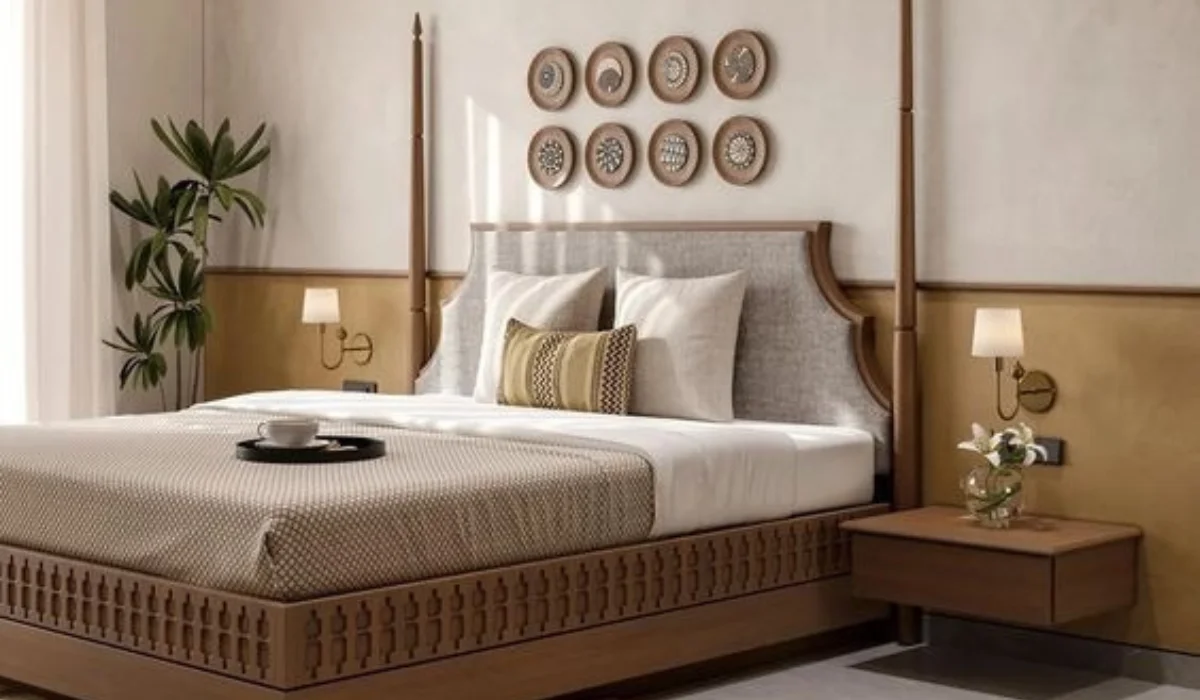
Designing a luxurious home doesn’t require an extravagant budget—it requires intention. True luxury isn’t about filling a space with expensive items or following every trend; it’s about restraint, balance, and thoughtful choices. The most elegant homes feel curated, not crowded. They rely on texture, scale, light, and clarity rather than excess.
With the right approach, you can create a refined, high-end aesthetic that feels timeless and sophisticated—without overspending.
Start With a Clear Design Concept
Before you spend a single rupee, define your design direction. Homes that feel luxurious almost always follow a cohesive concept. Instead of mixing too many colours, styles, or décor ideas, choose a consistent palette, repeat materials, and maintain clean lines throughout the space.
A clear concept helps you avoid impulsive purchases and unnecessary expenses. More importantly, it creates visual continuity—one of the strongest markers of a high-end interior.
Luxury begins with planning, not buying.
Master the High–Low Design Balance
You don’t need every item to be designer-made. The most polished interiors are built on a smart mix of affordable essentials and a few carefully chosen investment pieces.
Use budget-friendly options for foundational items like side tables, shelving, or bed frames. Then splurge selectively on elements that anchor the space and naturally draw attention—such as a plush sofa, a statement coffee table, or one oversized artwork.
Spend where it matters:
- Flooring
- Kitchen countertops
- Bathroom fittings
- Main door and hardware
Save where you can:
- Loose décor
- Trend-driven furniture
- Accessories that can be updated over time
One premium feature in each room can elevate the entire space.
Upgrade the Details That Matter
Small upgrades can make a dramatic difference. Builder-grade hardware often makes a home feel generic, no matter how well it’s styled. Swapping out basic handles, switches, and door levers for solid, well-finished alternatives instantly adds a bespoke feel.
Look for:
- Cabinet knobs in matte black or unlacquered brass
- Toggle switches or dimmers instead of standard plates
- Solid metal door levers with clean, minimal lines
These changes are relatively affordable but deliver a disproportionate sense of luxury.
Use Scale and Lighting to Your Advantage
Scale plays a huge role in how expensive a space feels. Undersized rugs, tiny lamps, or weak lighting can make even a well-designed room feel cluttered or unfinished.
Choose rugs large enough to anchor all your furniture. If a large wool rug is out of budget, layer a smaller vintage rug over a larger jute or sisal base for depth and dimension.
Lighting should be layered. Avoid relying solely on overhead fixtures. Instead, combine floor lamps, table lamps, and accent lighting to create warmth and intimacy. Soft, layered light always feels more luxurious than harsh brightness.
Elevate the Space With Textiles
Luxury is a sensory experience—it’s not just about how a room looks, but how it feels.
Curtains should be hung high and wide, ideally from ceiling level, to make windows appear larger and ceilings taller. The fabric should gently touch the floor; anything shorter instantly cheapens the look.
For cushions, replace lightweight polyester inserts with feather or down-filled ones. Full, substantial pillows add comfort and visual richness—and they hold their shape beautifully.
Embrace the Power of Less
The most expensive-looking homes are never over-decorated. Visual clutter is the fastest way to make a space feel busy and unrefined.
Clear your surfaces. Instead of multiple small accessories, choose one bold, oversized piece. A single large candle on a tray feels more intentional than several small ones. One statement artwork creates more impact than a crowded gallery wall.
Luxury thrives on breathing room.
Final Thoughts
Luxury is not about how much you spend—it’s about how thoughtfully you choose. When every element in a space feels intentional rather than incidental, the home naturally feels elevated. By focusing on quality over quantity, scale over clutter, and cohesion over trends, you can design a home that feels elegant, calm, and quietly luxurious—without overspending.
Because true luxury is never loud. It’s deliberate.
Contact Details
- +91 8625098418
- sociableweavers30@gmail.com
- kakkad la vida society, Old baner balewadi road, balewadi. 411045